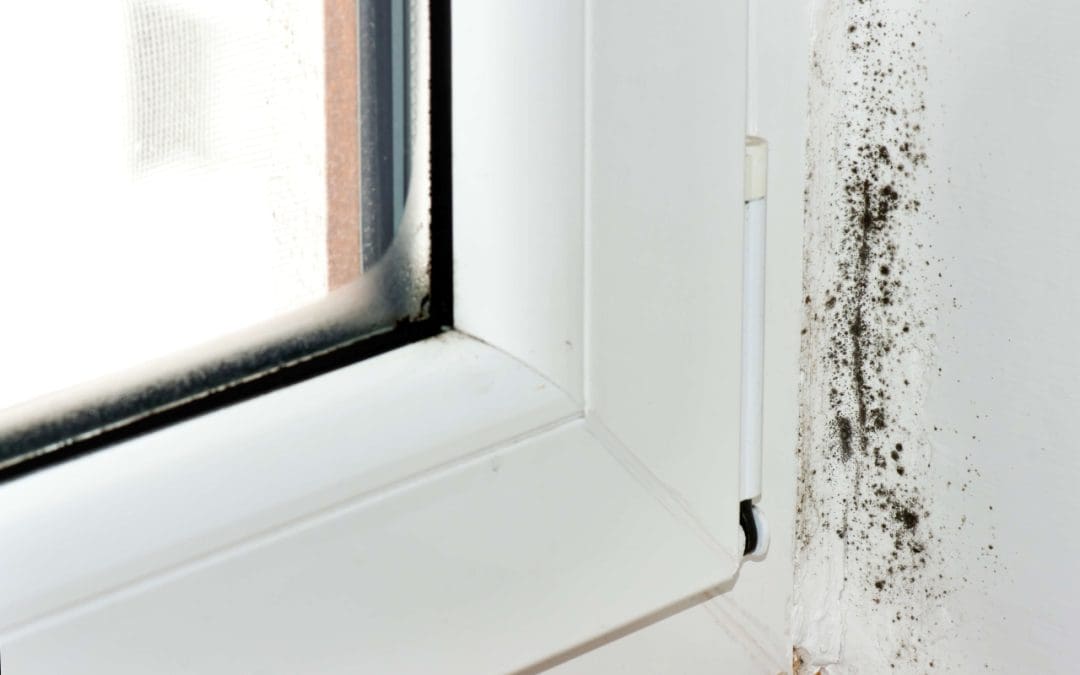
Mold is a structural hazard that could impact air quality and compromise your health. As a homeowner, understanding that mold thrives in moist environments is the key to effective defense. By taking proactive steps to control humidity and address water sources promptly, you can effectively prevent mold growth throughout your home. It’s an ongoing process, but with the right habits and a little vigilance, you will maintain a dry, safe, and mold-free home environment, protecting both your investment and your family’s well-being.
Controlling Humidity to Prevent Mold Growth
Mold needs a sustained relative humidity level above 60% to flourish. Therefore, managing the air quality inside your home is the most effective and continuous way to prevent mold growth. During humid summer months or in climates with high moisture levels, running a dehumidifier is essential. Aim to consistently keep indoor humidity levels between 30% and 50%. Invest in a simple hygrometer (a humidity monitor) for continuous tracking, especially in basements and crawl spaces, where moisture naturally collects. Proper ventilation is also critical. Ensure your clothes dryer is vented directly outside and that kitchen and bathroom exhaust fans are powerful and used consistently. Run bathroom fans during showers and for at least 15 minutes afterward to completely clear the moisture-laden air before it has a chance to settle and condense on surfaces.
Addressing Water Sources to Prevent Mold Growth
Mold cannot colonize a dry surface; therefore, eliminating sources of standing water and excessive moisture is crucial for preventing mold growth. Regularly inspect your plumbing, especially under sinks and behind appliances like the refrigerator and washing machine, for any slow leaks or drips. Fix these immediately. Even a small, persistent leak creates a perfect, hidden breeding ground behind a wall or under flooring. Furthermore, inspect the exterior of your home frequently. Make sure your gutters are clean and free-flowing so that rainwater is directed away from the foundation. The soil around your house should always slope away from the foundation for at least six feet to prevent water from pooling against the base of the house and migrating inside your basement or crawl space.
Tackling High-Risk Areas
Certain areas of the home are inherently more susceptible to moisture issues, requiring specific, targeted attention if you want to prevent mold growth. Basements and crawl spaces, being underground are naturally cooler and retain more moisture. If you have a dirt-floor crawl space, cover the soil entirely with a vapor barrier (thick plastic sheeting) to block ground moisture from evaporating into the air. If any area of the basement or crawl space ever experiences flooding or leakage, guarantee the area is dried completely within 24 to 48 hours to halt mold colonization. Speed is absolutely critical here.
Similarly, the kitchen and laundry room introduce significant amounts of moisture indoors. Use exhaust fans every time you cook. For the washing machine, always leave the detergent dispenser drawer and the door slightly ajar between uses. This simple step allows the interior of the machine to fully air-dry, which is an extremely effective measure to prevent mold growth and musty odors inside the appliance itself. By focusing on humidity control and promptly addressing any water intrusion, you will maintain a dry environment that actively resists mold, keeping your home environment healthy and your structure sound.
Cover All Home Inspections offers home inspection services in Indiana. Contact us to schedule our services today.